My brain did this weird thing again.
Recently, I finished binging – The Big Bang Theory (I know, too late in the day) and started looking up stuff about Jim Parsons’ life to see how different he is from the role he imbibes as Sheldon Cooper.
I questioned my urge to know this. But more importantly, I questioned the way I would judge the similarities or differences and arrive at a conclusion, if any.
Dispositional Attribution
Many of us tend to look up stuff about a book or a show after we are done with it.
Sometimes, purely to satisfy a type of curiosity and get some closure. However, we also partially crave a full picture, in order to arrive at the most accurate opinion about it.
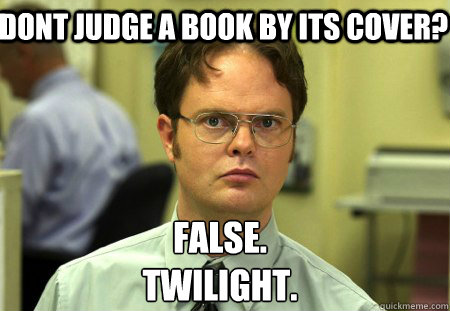
It is a type of – judging the book by not only its cover but also the author and the author’s personal life, opinions and statements.
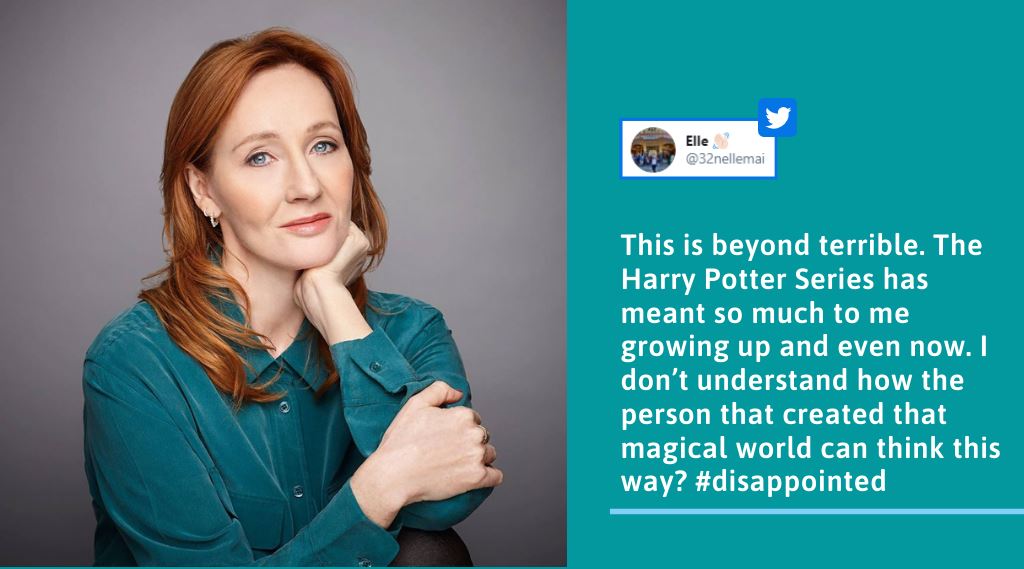
For example, JK Rowling has been condoned for spreading misinformation about transgender people (very deservingly so). However, one side effect was that it made a lot of us also question the magical universe created by her.
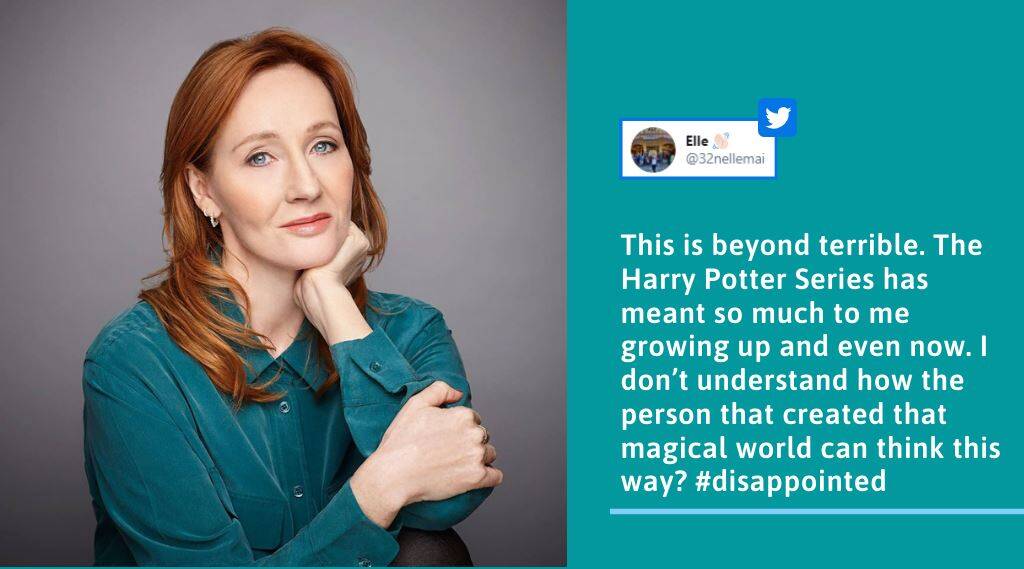
Dispositional Attribution: Assigns the cause of behaviour to some internal characteristic of a person, rather than to outside forces.
This attribution of behaviour is something we do unconsciously. It is natural; humans are hard-wired to make sense of each other’s actions.
But the unfortunate result is that we create an attribution bias or what I like to call – 401 Unauthorised Attribution Error.
Attribution bias not only closes us off to other viewpoints but acting on faulty attributions can lead to aggression and other harmful behaviours.
In the above case, it could be said that any future Rowling books / opinions / statements, may be tainted because we are fixated on this one negative personality trait about the author, based on her personal beliefs and motives (i.e. cancel culture).
Benefit of the doubt
Now that we are down with the theory, reader: what the hell do we do about it? Can we even do anything?
But it is tough.
The above theory was discussed with a macro example of Rowling. But zooming out from that, we are guilty of this attribution bias on the most minuscule levels – against our loved ones / acquaintances.
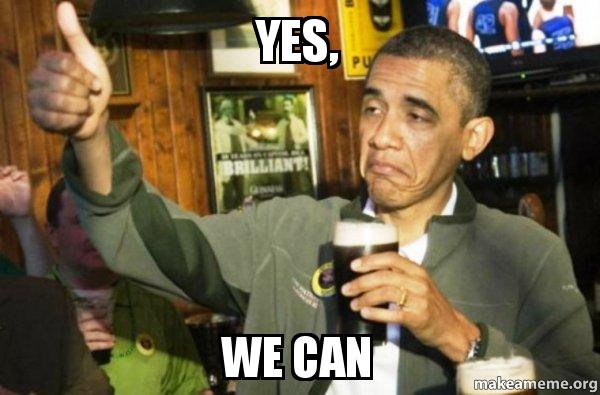
Another reason why we should listen to Obama: When it comes to attribution, we tend to treat others differently than how we treat ourselves. In particular, we tend to emphasise personal explanations of other peoples’ actions, particularly unintentional ones—but downplay personal explanations in our own actions.
Basically in our minds: our chaos is chaotic but the other person’s chaos is dramatic.
Hence, often times when we try to help our loved ones by providing any kind of advice, it becomes unsolicited advice. Because we base it on our attribution bias against them. And that is why it can get so difficult to communicate with your parents / closest friends. Because they do not listen with an open mind, they listen with pre-conceived notions about your personality.
But I also wonder – personal characteristics often depict toxic behavioural patterns. And to call those out, may be the positive side-effect of having an attribution bias.
 Moushmi Mehta

Leave a comment