A couple of days ago, I was fully engaged and absorbed by my work at home. My mom (a complete extrovert, in my humble opinion) rather rudely interrupted and asked, “Why even bother to work so much when the world might be ending?”. I, a professional appreciator of dark hopeless thoughts, fully agreed with her existential crisis and then, well, obviously I continued working like the robots we are.
But it’s really made me think about this general, justified sense of paranoia floating around on one side. And on the other, a complete casual, sometimes callous behaviour is reflected from people who are found to be frustrated by the stringent actions being taken in this pandemic time. If you are now working from home, some degree of isolation is guaranteed. Especially if you live by yourself, you may go an entire day without seeing or talking to anybody. One of the basic human needs is to be present in a social environment. It’s not even been a week and almost all my friends have complained about either not being able to work from home or facing epic boredom.
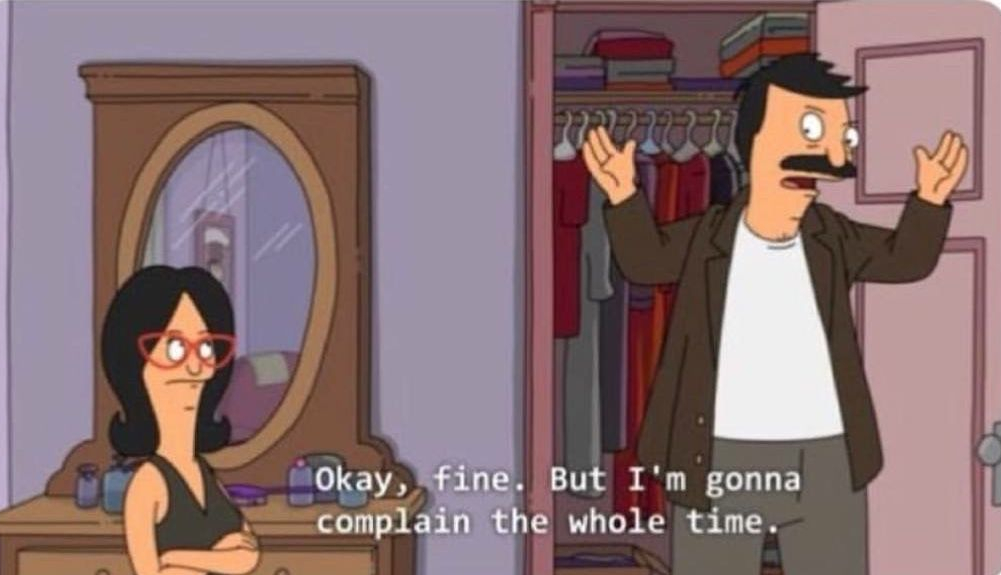
Image from @BobsBurgers
Also, it has always been debated that people are more engaged in social media than they are with each other but is that thesis true anymore? Social media is rightly credited for spreading awareness amongst other things but in these times, it is also increasing the sense of paranoia and frustration because it is obviously overwhelming to listen to advice / awareness / false information / constant updates about washing your damn hands through multiple tik tok videos / staying optimistic / clapping hands and banging vessels. Sorry, I am possibly supremely overwhelmed too. What I mean is, people are practising social distance but indirectly, there is a wave of social media distance too, leaving us with ultimate lonely vibes. So, how do we cope?
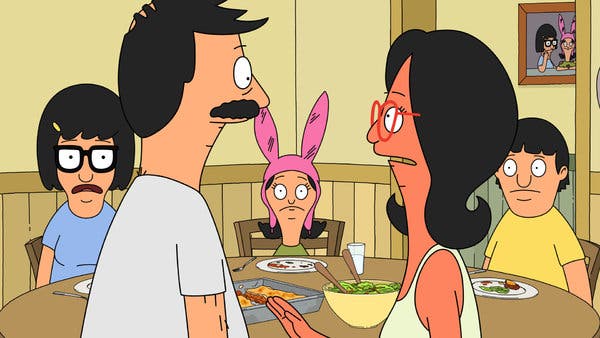
Image from @BobsBurgers
The Marshmallow Experiment
A bunch of around 4-year olds were split into two groups:
- The first group was exposed to a series of unreliable experiences. For example, the researcher gave the child a small box of crayons and promised to bring a bigger one, but never did.
- Meanwhile, the second group had very reliable experiences. They were promised better crayons and got them.
Then the real experiment began by bringing each child into a private room and placing a marshmallow on the table in front of them. The researcher offered a deal to the child – he was going to leave the room and if the child did not eat the marshmallow while he was away, then they would be rewarded with a second marshmallow. So the choice was simple: one treat right now or two treats later. Some kids jumped up and ate the first marshmallow as soon as the researcher closed the door. Others wiggled and bounced and scooted in their chairs as they tried to restrain themselves, but eventually gave into temptation a few minutes later. And finally, a few of the children did manage to wait the entire time.
Illusion of Control
You can broadly guess which kid belonged to which of the above two groups right? The reliable environment impacts and compliments our sense of discipline and control. But the key takeaway here is that even if you don’t feel like you’re good at leaving the marshmallow alone because you have faced an unreliable environment, you can train yourself to be better simply by making a few small improvements. You can train your ability to delay satisfaction, just like we can train our muscles in the gym. And you can do it in the same way as the child and the researcher: by promising something small and then delivering. Over and over again until you control your brain to say 1) yes, it’s worth to wait for more marshmallows 2) yes, I have the capability to wait. Also, isn’t this control thing what they call “hope” anyway?
At this point, some of you might think but isn’t this fooling ourselves of reality? Aren’t we actually not in control at all? Well, yes sure, but tell me – were we really in control of our lives before this? I mean, not unless you are Wonder Woman right? And even she couldn’t fully stop world wars! We are never fully immune to negative impacts and we will never be able to build a reliable environment for ourselves throughout our lives. But that also does not mean we do not have some kind of real control.
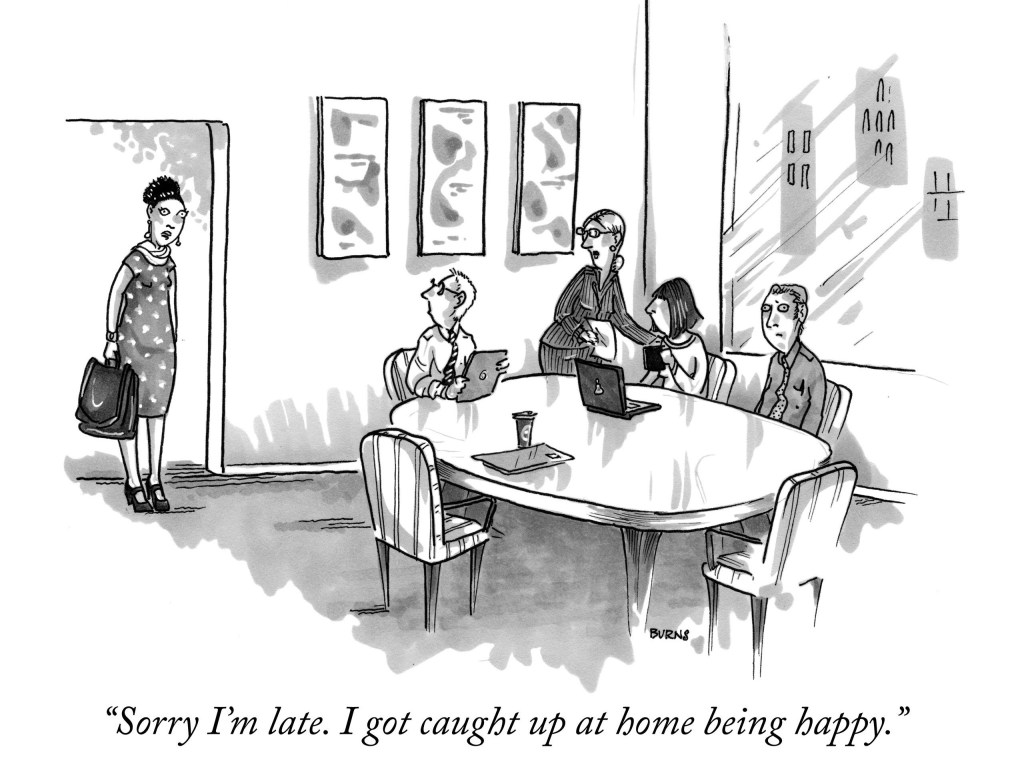
Image from @TheNewYorkerCartoons
We all know people who hold on tightly to a need for control (my mother for example and statistically – people who might be scoring high on the extraversion trait i.e. extroverts). Things need to be just so. They panic when circumstances change. “Letting go” is not in their vocabulary. I would imagine that it is these individuals who are most prone to relying on the illusion of control to bolster their hope that holding on tightly will provide the kind of security they crave. But the more tightly you try to grasp it, the more likely it is to just burst. So just wait for the two marshmallows.
And while you’re waiting, maybe look around in the other sides of your brain while you wash your hands before eating the marshmallows? Sorry, I had to.

 Moushmi Mehta
Leave a comment